
From Skin Expertise to K-Beauty Excellence: Interview with Youssra Ait El Mehdi
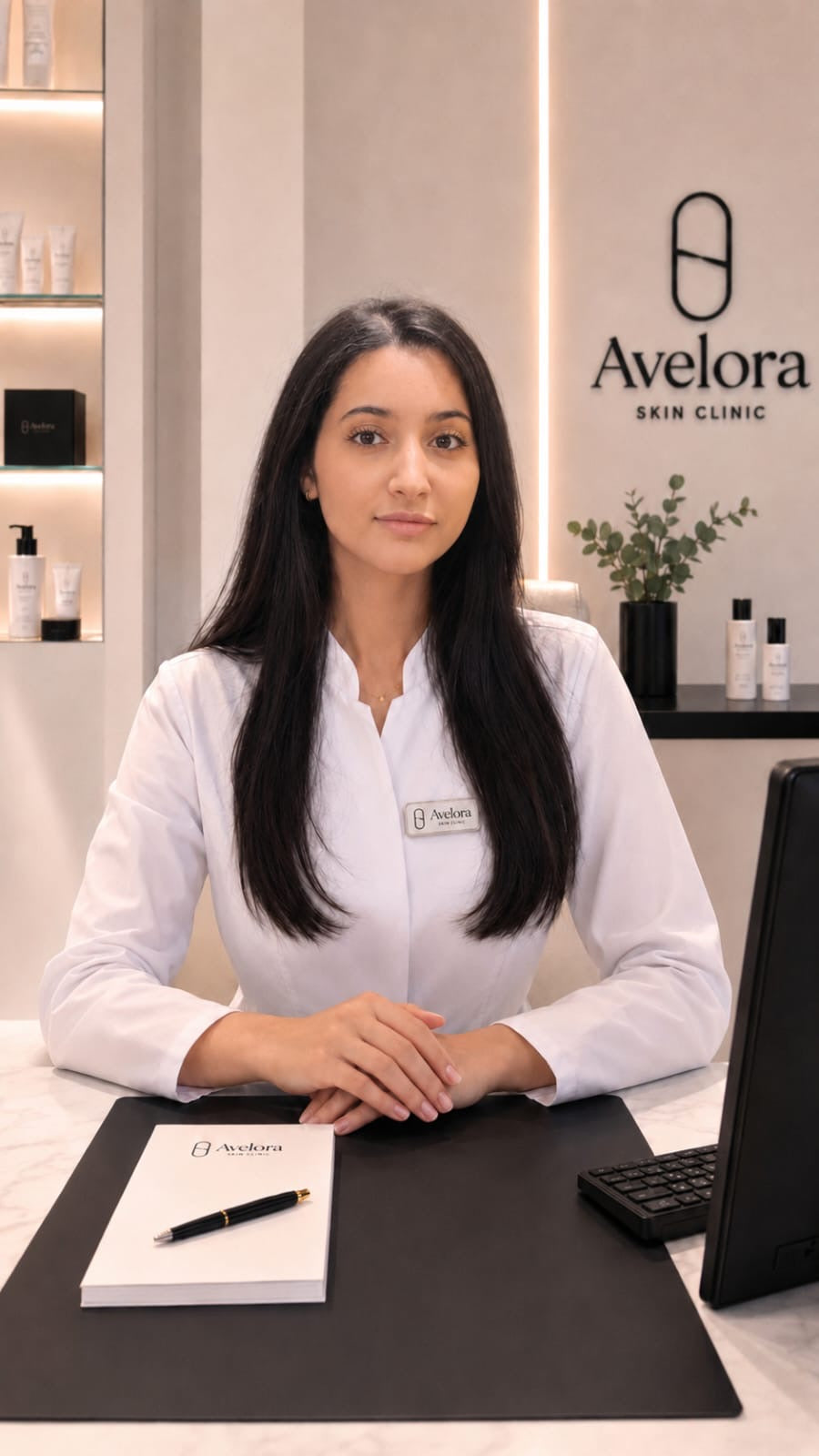
Can you tell us about your professional background and specialisation?
I began my career in skincare as an esthetician at 19 and completed my Bachelor’s degree in Skin Therapy three years ago. With over 10 years of experience, I specialise in treating acne and acne scarring, creating personalised treatment plans, and helping clients achieve realistic, lasting results.
What inspired you to pursue a career in skin health?
My interest in skincare started during a school project, which led me to explore cosmetology and eventually pursue a career in the field. Working closely with clients inspired me to further my education in Skin Therapy, allowing me to support skin health on a deeper clinical level and help people regain both healthy skin and confidence.
How long have you been practicing, and what areas do you focus on most?
I have over 10 years of experience in skincare and skin therapy. My main focus is treating acne and acne scarring, with an emphasis on facial skin health and personalised treatment plans.
How do you assess a client’s skin before starting treatment?
Before treatment, I conduct a detailed consultation covering the client’s reason for visit, medical history, lifestyle, and expectations. I then assess the skin using a skin scanner and examination under bright lighting. Together, this information allows me to create a tailored treatment plan and proceed with the most suitable treatment approach.
What are the most common skin concerns you see?
The most common skin concerns include acne, acne scarring, pigmentation issues, hair loss, and benign skin growths.
How do you decide which treatment is best for each client?
It is based on a combination of the client’s goals, their skin condition, and the potential risks associated with the available treatment options for their specific case.

What questions do you ask during a first consultation?
I ask about their goals, medical history, previous treatments, lifestyle factors such as sun exposure, and insurance coverage.
What causes acne, and what treatment options are most effective?
There are different types of acne, and its development can be influenced by multiple factors. In most cases I see, acne is linked to skin imbalance, bacteria, hormonal fluctuations, or yeast-related conditions. Diet and nutritional deficiencies can also play a significant role in the severity of breakouts.
How can people distinguish between normal skin changes and signs of a medical condition?
The difference is usually determined by evaluating the progression, symptoms, appearance, and behaviour of the skin condition. We assess whether changes are normal or abnormal and identify any irregularities that may require further attention.
What are the most common causes of eczema and psoriasis flare-ups?
Common triggers for conditions such as eczema and psoriasis include irritants, allergens, environmental factors, skin barrier disruption, stress, lifestyle habits, infections, and certain foods, although these vary from person to person.
When should someone seek professional help for a skin issue rather than self-treating?
I recommend seeking professional help as soon as you feel unsure about how to manage a skin concern. Treating the skin is not always straightforward, and incorrect self-treatment can sometimes make the condition more difficult to manage.
How do treatments like microneedling, peels, and facials improve the skin over time?
Not all cases require in-clinic treatments. Mild concerns may respond well to appropriate skincare products, ideally chosen with professional guidance.
In-clinic treatments support skin health by preventing concerns, maintaining results, and improving overall skin quality through collagen stimulation, improved elasticity, and enhanced texture over time.
Which treatments are most popular at Avelora Skin Clinic?
The most popular treatment at Avelora is chemical peeling, and most clients begin their journey due to acne concerns.
What results can clients realistically expect after a few sessions?
Results depend on the initial condition of the skin. In acne cases, clients often see gradual improvements after each session, including fewer breakouts, reduced pigmentation, and improved scarring. Most treatment plans are structured in packages of three sessions, as optimal results typically require three to six treatments. Chemical peels and microneedling are often combined to address deeper scarring and improve overall skin texture.
Are your treatments more focused on long-term skin health or quick results?
My approach focus on both immediate results and long-term skin health. Early results help improve the skin’s condition quickly, while education on skincare ensure clients can maintain and understand their skin overtime.
How do you combine K-beauty concepts with clinical skin therapy?
K-beauty has also influenced my practice, particularly its focus on hydration and strengthening the skin barrier. Since many skin concerns begin with barrier damage or imbalance, treatment often starts with restoring and supporting skin health through hydration and recovery.

K-beauty has become a global skincare trend—how has it influenced your work as a skin therapist?
K-beauty has become increasingly present in the clinic over the past few years. What I appreciate most about it is its strong focus on strengthening the skin barrier through hydration and recovery. Many skin concerns begin with a compromised barrier or an imbalance in the skin, which is why my treatment plans often start with restoring barrier function and improving hydration.
What elements of K-beauty and ingredients do you personally find most effective or interesting?
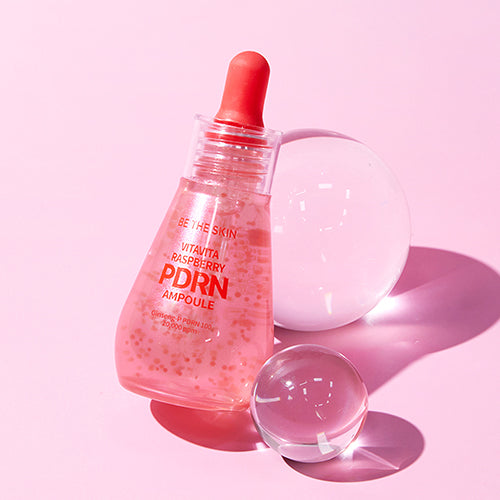
K-beauty has helped make clients more educated about ingredients and increased their trust in what skincare products can do for the skin. It has also introduced me to ingredients such as PDRN, Arginine, and Volufiline. I find it fascinating how quickly the industry is evolving and how new skincare goals, such as achieving “Korean glass skin,” have emerged.

Is the K-beauty approach something you integrate into your treatments or advice?
I have always enjoyed researching skincare and skin health, particularly topics related to skin barrier function and hydration. When I began exploring Korean skincare, I noticed a strong alignment with my own treatment philosophy, which focuses on prevention, barrier support, and long-term skin health. While I appreciate these principles, I do think effective skincare should be tailored to the individual’s needs, and achieving healthy skin does not necessarily require using a large number of products.
In your opinion, what is the biggest misconception about K-beauty?
A common misconception about Korean skincare is that it is mainly about trends and complex routines. In reality, its core principles are gentle cleansing, hydration, barrier support, and consistent sun protection. However, I am less aligned with the idea that Korean skincare requires a 10-step routine, as this can create the misconception that many products are necessary, which is not always the case.
How important is a well-formulated home skincare routine alongside professional treatments?
What you do for your skin between treatments can make or break your progress. A well-chosen skincare routine is just as important as the treatment itself.
If you could give just one K-beauty-inspired skincare tip, what would it be?
Hydration and SPF every day are essential for maintaining healthy skin.
What do you think people misunderstand most about professional skin treatments?
Professional skin treatments often work by creating controlled micro-injuries in the skin, which can sometimes be felt during the procedure. Unlike spa treatments, they are not primarily focused on relaxation and may not include massage or steam, and some downtime is expected afterwards.
What message would you like to share about achieving healthy, balanced skin?
Hydration, hydration and hydration! It is also important not to try every viral skincare product. Even if many people experience good results, it does not guarantee it will suit your skin. Frequently switching products can disrupt the skin barrier, and I increasingly see skin issues caused by overuse of trending or unsuitable products.
Do you see K-beauty continuing to grow in the skincare industry?
K-beauty continues to grow in influence, which is very encouraging. I am particularly interested in the in-clinic treatments developed in Korea, and I hope that more certified Korean devices will become available on the European market in the future.
K-beauty has positively influenced many clients’ skin even before they begin professional treatment. It has also made clients more aware of the importance of proper skincare and consistency in their routine, which supports better and longer-lasting results.

How do you describe your professional motto?
My motto is: Skin is not a trend, but an essential organ that deserves consistent care and attention.
Disclaimer: This interview is for informational and educational purposes only and reflects the professional opinions of a qualified skin therapist. It is not paid or sponsored content and does not constitute medical advice. For skin concerns that require specialised treatment, we recommend consulting a qualified skin therapist or professional skin clinic for personalised advice and care.
Learn more: aveloraskinclinic.nl


Commentaires