
K-Beauty Trends 2026: Why PDRN & Exosome Are the Ingredients Everyone Is Talking About
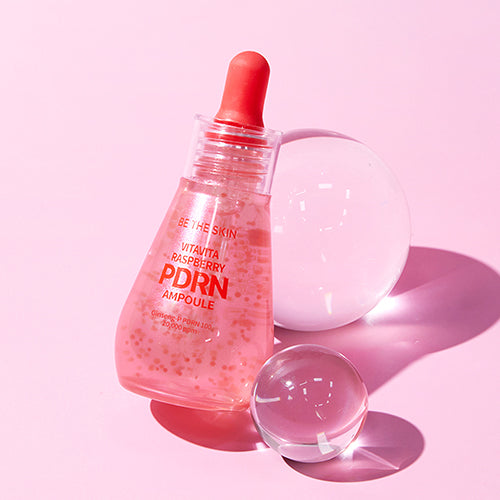
The future of K-beauty is all about skin regeneration. In 2026, Korean skincare is shifting away from harsh treatments and focusing on advanced ingredients that help support the skin’s natural renewal process. At the center of this trend is PDRN and Exosome, the next generation ingredients quickly becoming a favorite among skincare enthusiasts worldwide.
The Rise of PDRN
PDRN, short for Polydeoxyribonucleotide, is known for its ability to support skin recovery, improve hydration, and promote a smoother, healthier-looking complexion. Backed by real biomedical science for wound healing and skin repair.
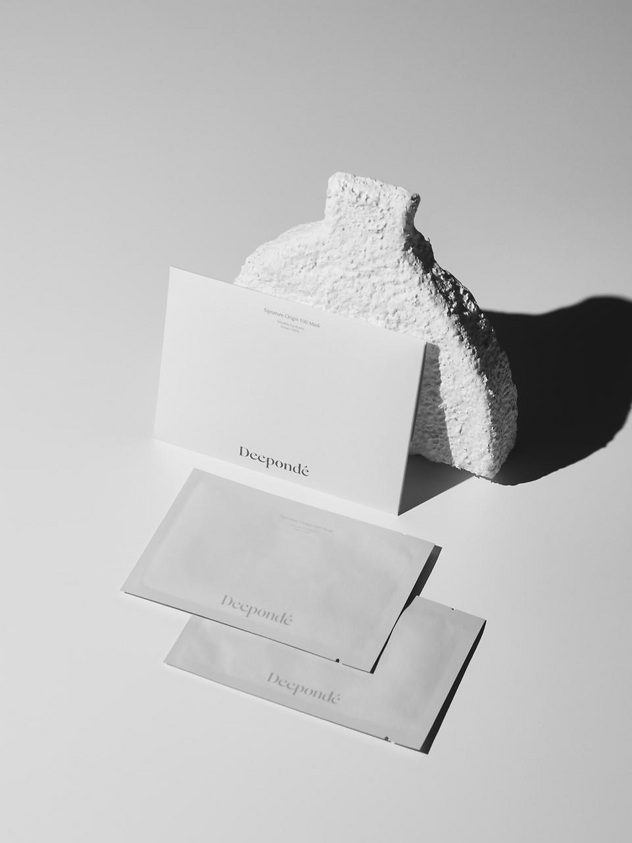
Originally popular in professional aesthetic treatments, PDRN is now appearing in everyday skincare products including serums, ampoules, creams, and sheet masks.

K-Beauty lovers are increasingly looking for products that do more than provide temporary hydration. They want skincare that helps strengthen the skin barrier, improve elasticity, and support long-term skin health. This demand has helped fuel the rise of PDRN-based formulations across the Korean beauty market.

Minimalist Skincare Routines
Instead of using numerous products, consumers are choosing multifunctional formulas that deliver hydration, soothing care, and anti-aging benefits in a single step. High-performance ingredients such as PDRN, exosomes, peptides, ceramides, and centella asiatica are becoming essential components of these streamlined routines.
Exosomes in Skincare: The Next Generation of Skin Renewal
Exosomes are tiny extracellular vesicles that play an important role in cell-to-cell communication. In skincare and cosmetic research, exosome-inspired technology has gained significant attention for its potential to support the skin’s natural renewal processes and promote a healthier-looking complexion.

Unlike traditional skincare ingredients that mainly work on the skin’s surface, exosomes are valued for their involvement in cellular signaling. Researchers continue to explore how exosome-related technologies may help improve the appearance of skin vitality, texture, and overall skin condition by supporting natural skin functions.
Exosome technology has become increasingly popular due to growing interest in science-driven skincare innovations and advanced cosmetic research.
Conclusion
Both ingredients are positioned around skin regeneration and repair, but they function through different biological mechanisms—PDRN primarily by stimulating repair pathways and reducing inflammation, and exosomes by delivering intercellular signals that may influence how skin cells behave. In both cases, most noticeable outcomes are generally seen when they are used to support skin recovery processes rather than as standalone anti-aging solutions.



Kommentare